Yves Griffin · 31 August 2026
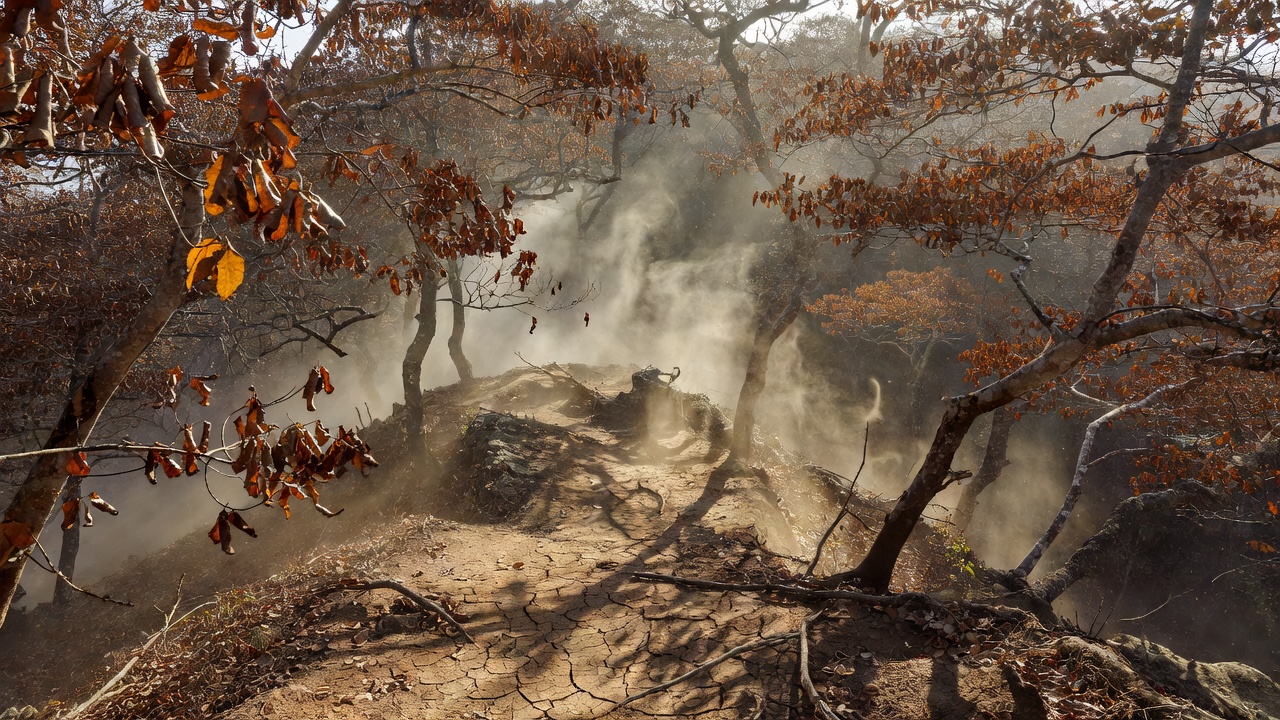
Persistent drought conditions across the Nebelwald region have significantly disrupted traditional autumn fog patterns, according to recent meteorological data. Normally reliant on consistent moisture from coastal winds, the misty forests now experience fewer fog events, altering humidity levels critical for local flora and fauna. Experts note a 25 percent reduction in fog days compared to historical averages.
Effects on Forest Biodiversity
Reduced fog has led to drier understories, stressing epiphytic mosses and ferns that depend on constant moisture. Bird species such as the mist thrush show declining populations as insect availability drops. Soil moisture measurements indicate a 15 percent decrease, prompting concerns over tree root systems in older growth areas. Conservation groups monitor these shifts closely to assess long-term habitat viability.
Local researchers have deployed additional sensors to track microclimate variations. Early findings suggest that altered fog cycles may accelerate invasive species spread, as native plants struggle with inconsistent water sources. Community-led initiatives now focus on supplemental watering for vulnerable zones during peak dry periods.
Climate Data and Projections
Analysis from the regional weather institute reveals that autumn fog formation requires specific temperature gradients now less frequent due to prolonged dry spells. Projections indicate continued variability through 2030 if precipitation patterns remain below average. Mitigation strategies include reforestation with drought-resistant varieties and enhanced water retention techniques in forest management plans. Ongoing studies aim to refine predictive models for better ecosystem adaptation.