Greta Günther · 20 October 2026
Plant Lineage Mapping Exposes Resilience Mechanisms in Dense Fog Woodland Regions
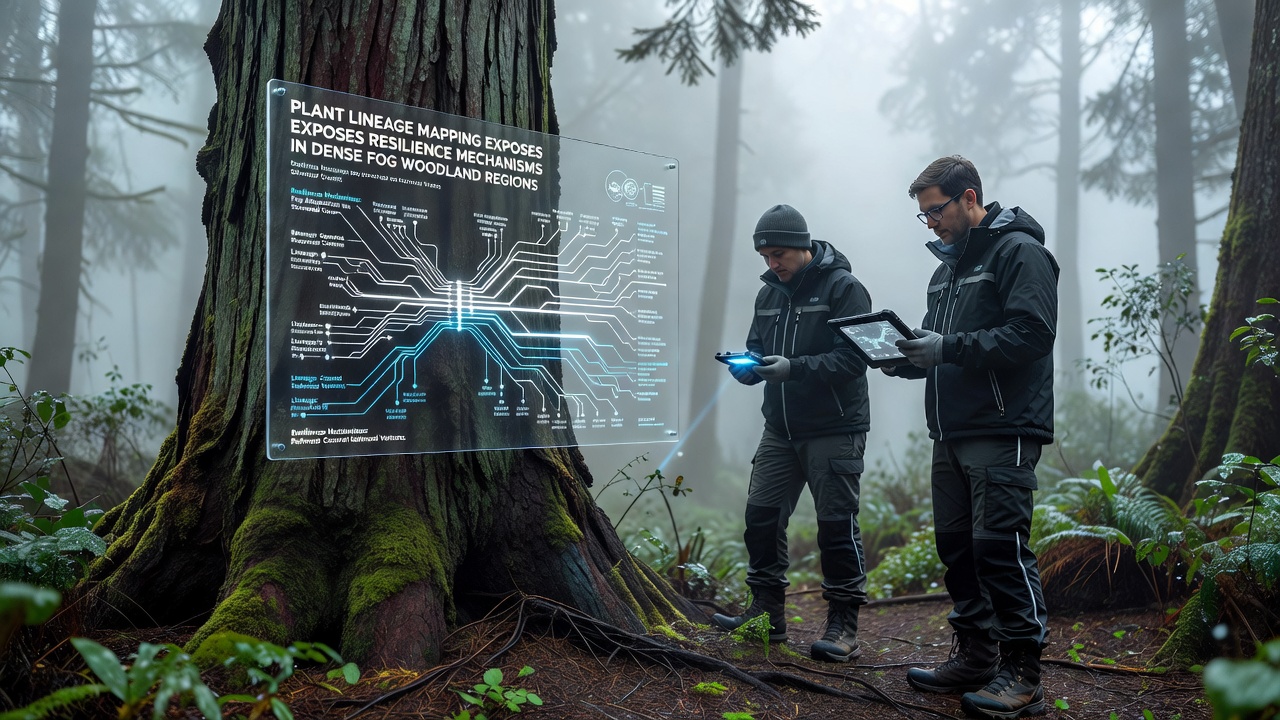
Plant lineage mapping applies genetic sequencing and phylogenetic analysis to trace ancestry patterns among tree and understory species in dense fog woodland regions, and researchers use these tools to identify traits that allow vegetation to endure persistent moisture and limited sunlight. Data from field collections in October 2026 show how specific lineages maintain population stability despite fluctuating fog frequency across multiple continents.
Methods Behind Lineage Mapping in Fog Environments
Scientists collect leaf samples from canopy and ground-level plants then extract DNA to construct family trees that span centuries, while they combine these results with environmental sensors that record humidity levels, light penetration, and soil moisture at each collection site. This approach reveals clusters of related individuals that share alleles linked to water retention and photosynthetic efficiency under low-light conditions.
Teams coordinate with forestry agencies in the European Union and Canada to standardize sampling protocols across different fog woodland types, and the resulting datasets allow direct comparison of genetic diversity between regions that experience daily fog versus those with seasonal mist patterns.
Genetic Traits Linked to Fog Resilience
Lineage analysis highlights repeated selection for genes that control stomatal density and cuticle thickness, traits that help leaves manage constant water films without fungal overgrowth. Populations carrying these variants demonstrate higher survival rates during periods when fog events shorten or intensify, according to records compiled by research groups at multiple universities.
Studies further indicate that certain root-associated microbial communities co-occur with resilient plant lineages, and these partnerships improve nutrient uptake in acidic, waterlogged soils typical of fog-dominated woodlands. Observers note that lineages lacking these microbial associations show reduced growth when fog density increases beyond historical averages.
Regional Patterns Emerge from Comparative Data
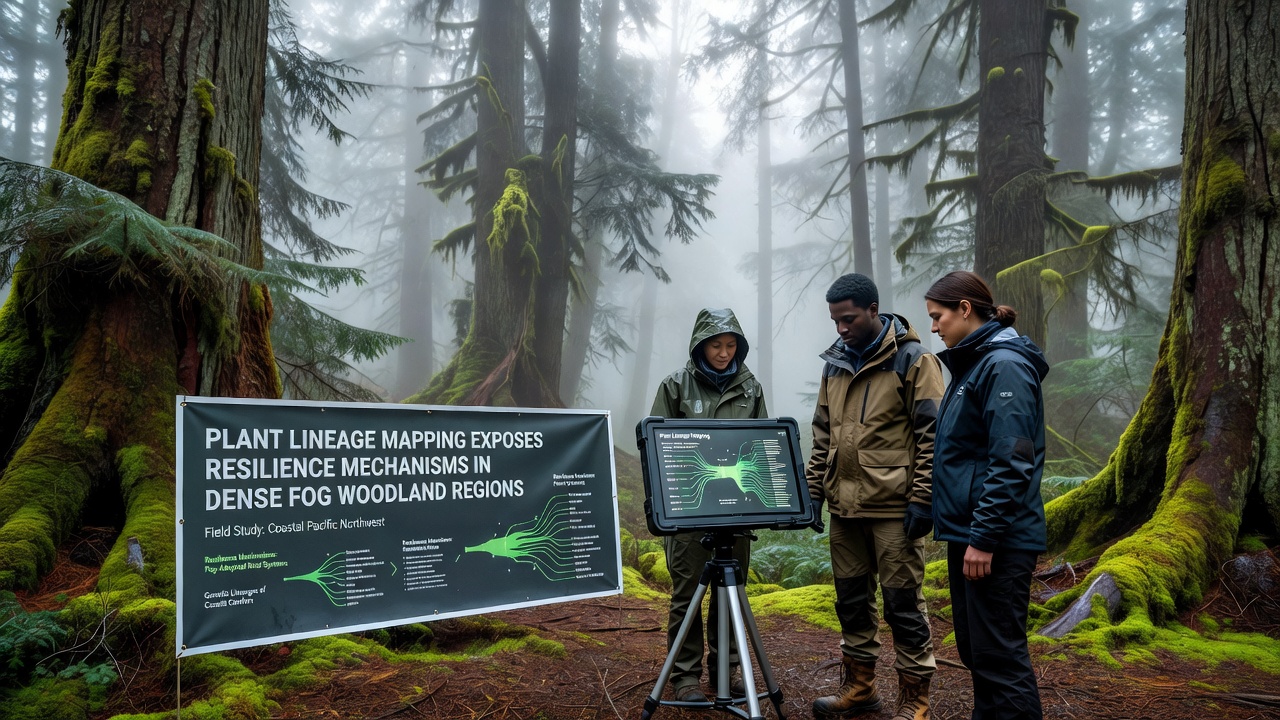
Mapping projects in Pacific Northwest cloud forests and Central European mist habitats produce parallel findings, whereas lineages in both areas retain ancestral alleles for fog-harvesting leaf structures even when local climates shift. Australian temperate rainforest studies add another layer by documenting how eucalypt relatives maintain similar genetic signals despite different fog regimes.
October 2026 surveys expanded coverage to additional sites where historical logging had fragmented lineages, and preliminary results suggest that remaining connected populations recover faster after disturbance because gene flow preserves adaptive variants. Government reports from Environment and Climate Change Canada and the European Environment Agency supply baseline climate data that researchers cross-reference with the genetic maps.
Applications for Conservation Planning
Forestry managers now incorporate lineage maps into restoration guidelines so that replanting efforts favor genetically diverse stock drawn from multiple resilient clusters rather than single-source seedlings. This practice increases the likelihood that new plantings will persist under future changes in fog frequency and duration.
Monitoring programs track whether restored stands maintain the same allele frequencies observed in intact reference sites, and early indicators show positive trends when planting mixes reflect documented lineage relationships. Academic papers published through university repositories continue to refine these models as more sequence data becomes available.
Conclusion
Plant lineage mapping supplies concrete evidence of the genetic and ecological features that sustain vegetation in dense fog woodland regions, and continued integration of these findings with regional climate records supports targeted protection of key populations. The approach yields measurable insights that guide practical decisions without relying on assumptions about future conditions.